

- The Decoder
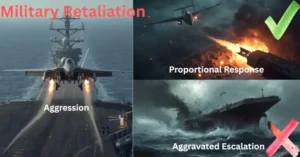
Military retaliation under UNSC Article 51 reflects a state’s decisive shift from deterrence to authorised self‑defence when hostile aggression crosses legal thresholds. This response is shaped by proportionality, escalation control, and the strategic signals each action sends. Decision Echoes examines how nations interpret threats, justify force, and manage the consequences of retaliatory choices.
- The Decoder
Trade weaponization has become a defining force in global power politics. The U.S. uses economic pressure to isolate adversaries, Europe enforces these measures until it becomes a target itself, and India responds with calibrated paralysis. These cascading decisions reshape alliances, markets, and the lives of citizens caught in the crossfire.
- The Decoder
Pax Silica exposes a hardening tech order where trusted‑bloc alliances tighten control over chips, compute, and AI access. India’s late invitation reveals the deeper fractures: a system built to secure supply chains while quietly extracting market power and data gravity from the world’s largest open digital ecosystem. These signals show how a rising tech hegemony is reshaping global choices long before nations realise they’re trapped in its loop.
- The Decoder
Frozen assets have triggered a global rethink of financial safety. As Europe debates using Russia’s immobilised reserves, five alarming risks emerge, from collapsing trust in Western custodianship to a quiet flight of reserves toward non‑Western vaults.
- The Decoder
In the aftermath of 1011, India’s strategic opacity contrasts Pakistan’s reactive optics. This post decodes geopolitical triage as a doctrine of pacing, not provocation, where emotional misdirection becomes a tool of narrative warfare.
- The Decoder
AI as support means knowing when to listen, not just compute. This editorial pivot shows how instinct and silence outperformed layered diagnostics.
