



- The Decoder
Sovereign compute is the quiet engine behind national progress. When states build autonomy, resilience, safety, and diffusion into their digital foundations, they create loops that strengthen themselves over time. These four sovereignty pillars turn small decisions into lasting capability, allowing nations to grow steadily, confidently, and without dependence on external chokepoints.
- The Decoder
AI Talent Exodus is no longer just a migration trend. It is a strategic vulnerability. India celebrates remittances while losing high‑value talent and relying on foreign digital infrastructure, which exposes its AI capabilities. Reversing this demands bold investment in people, sovereign compute, and a national mindset shift toward treating talent as a strategic asset.
- The Decoder
Corruption has never been a moral constant; it has always been a function of power. From Bofors‑era foreign bribery to Germany’s tax‑deductible kickbacks, from Walmart’s FCPA reckoning to Adani’s investment diplomacy, the pattern is unmistakable. The same act becomes crime or cooperation depending on who pays, who benefits, and who controls the narrative.
- The Decoder
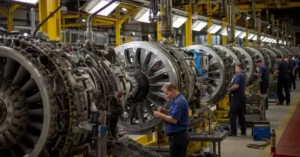
India’s pursuit of indigenous aircraft engines is no longer a technical ambition but a strategic necessity. As global supply chains tighten and geopolitical leverage grows sharper, India must secure propulsion autonomy for its civil aviation network. This article outlines the critical steps required to build sovereign capability in aircraft engines for domestic resilience.
- The Decoder
Alternative energy is more than a climate solution; it is a strategic foundation for resilience. From biogas and biomass briquettes to solar, wind, and thorium, diverse energy pathways strengthen local economies, reduce risk, and create cleaner, more stable power systems. AI integration turns this diversity into real, long‑term resilience.
- The Decoder
Autonomous decisions are reshaping how power operates in the 21st century, creating a crisis of speed, scale, and oversight. As machine‑driven systems begin to influence high‑stakes choices, the world faces a governance gap larger than any single nation. Without new global frameworks, these autonomous decisions could outpace human judgment entirely.
